


There are some places you visit once and somehow carry with you forever.
For me, Martha’s Vineyard is one of them.
One Labor Day weekend in 2011, my friend Katherine from Australia came to visit me in NYC and we decided to take a last minute trip to Boston and Martha’s Vineyard.
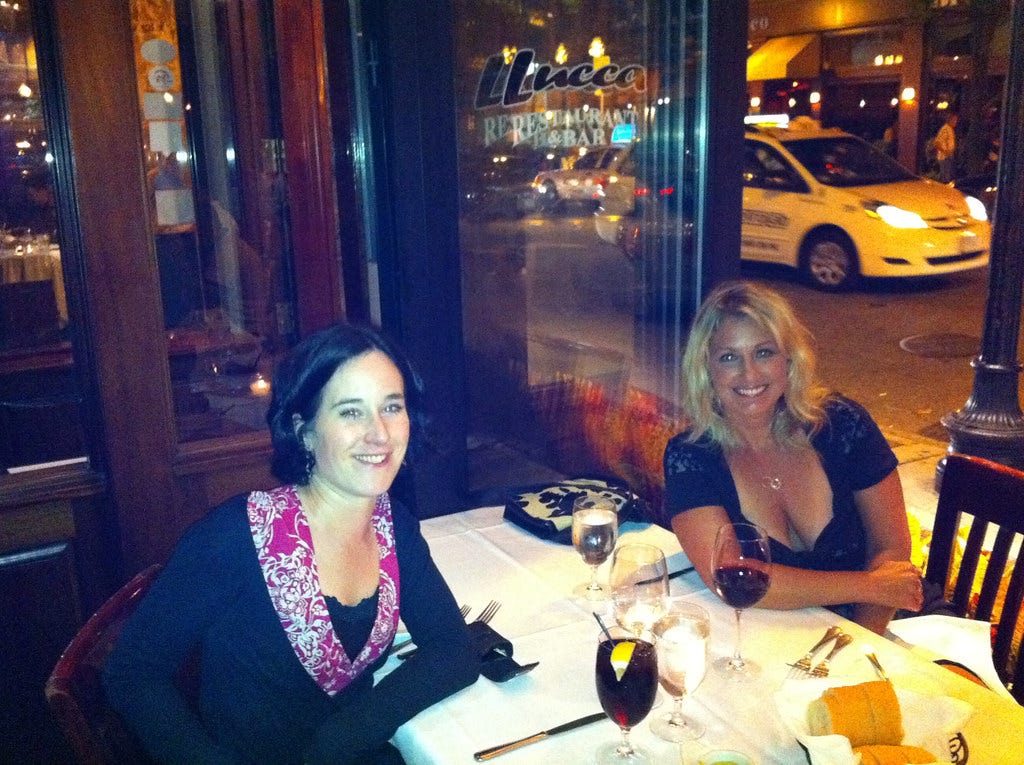
We started out in Boston and ohhhh do I love this city! We toured through all of historical sites in downtown, ate LOTS of delicious Italian food in the North End, had fabulous cocktails on our hotel rooftop and in the South End, and had a pretty amazing time.
We took a train to Woods Hole from Boston
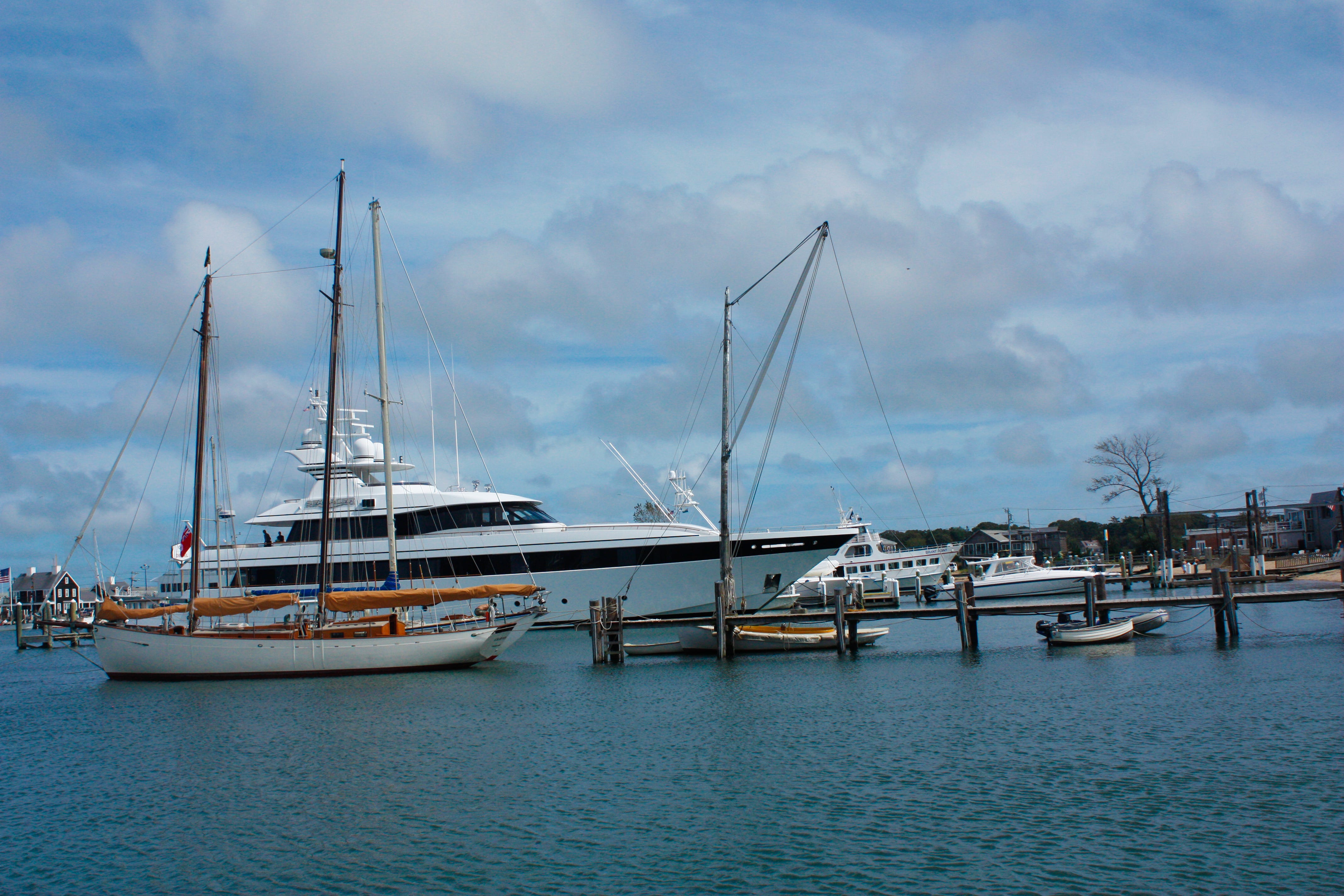
and then took a ferry to Vineyard Haven,

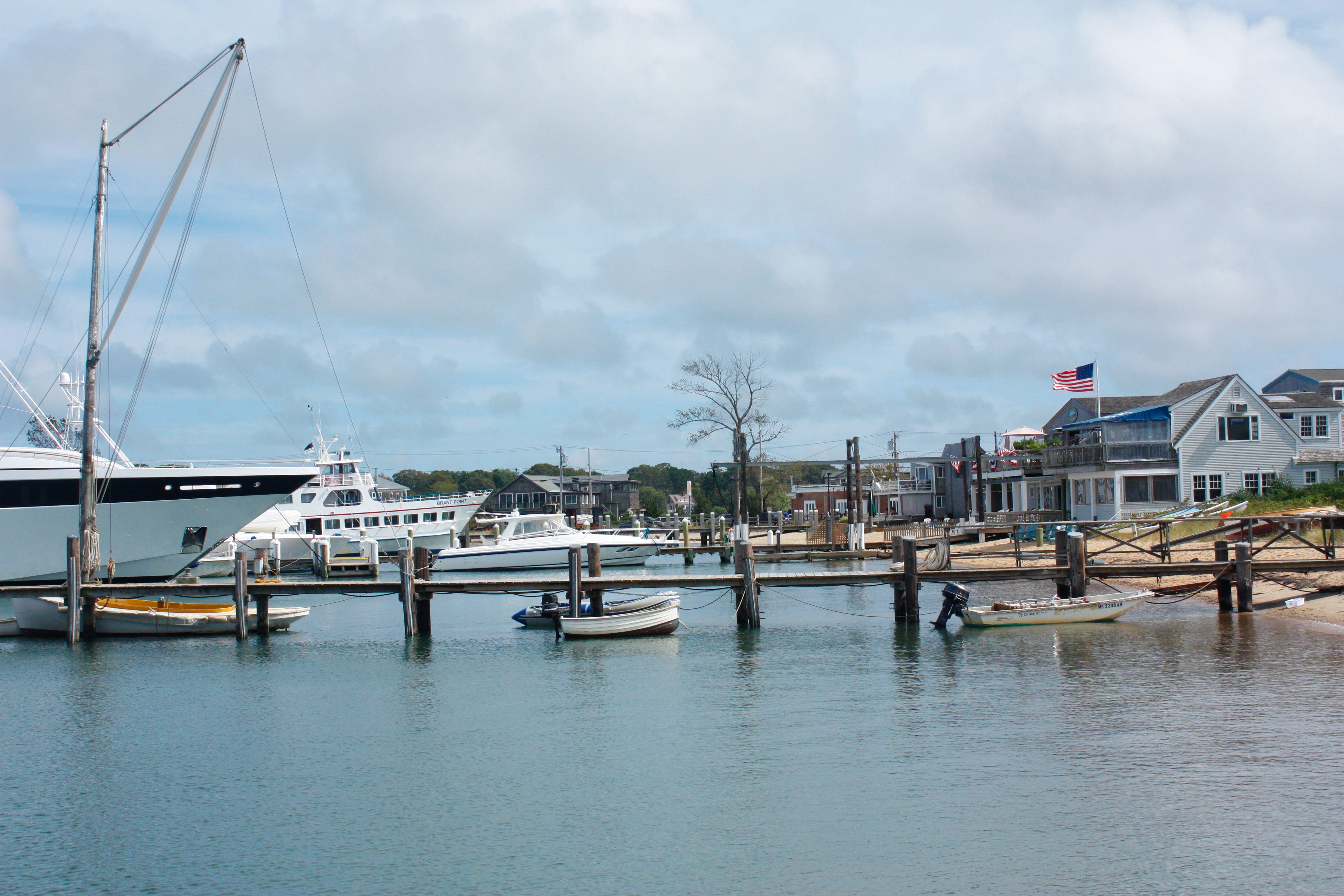
a lovely area of the island full of shops, restaurants, beautiful homes and even more stunning views of the ocean.
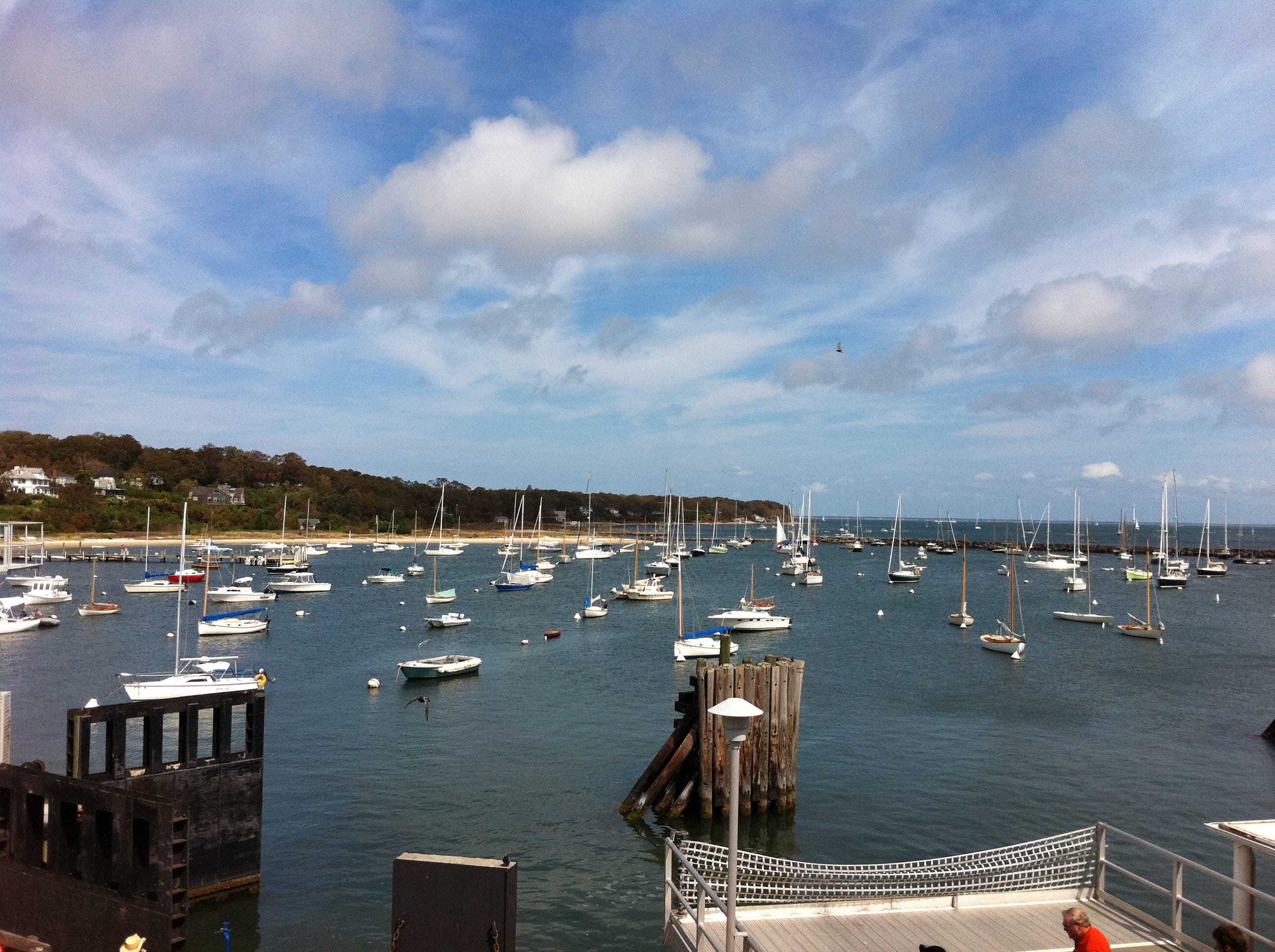
Once we arrived into MV, I stepped off the ferry and promptly fell in love — with the salty air, weathered shingles, sailboats bobbing in the harbor, rambling hydrangeas and that unmistakable feeling that life moves at a slightly different speed once you’re on an island.
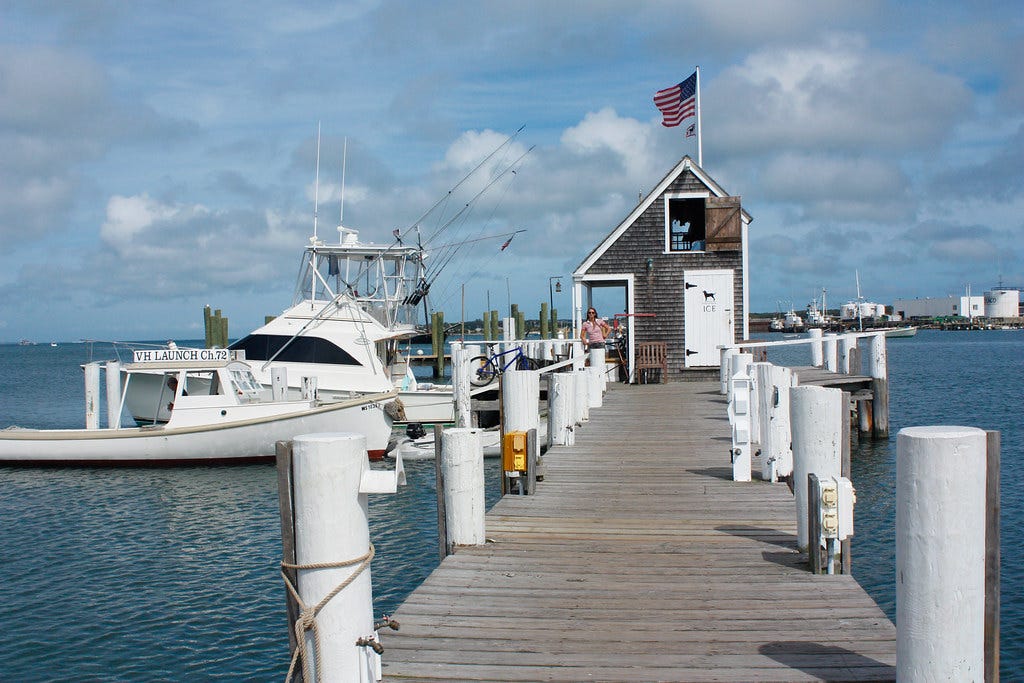
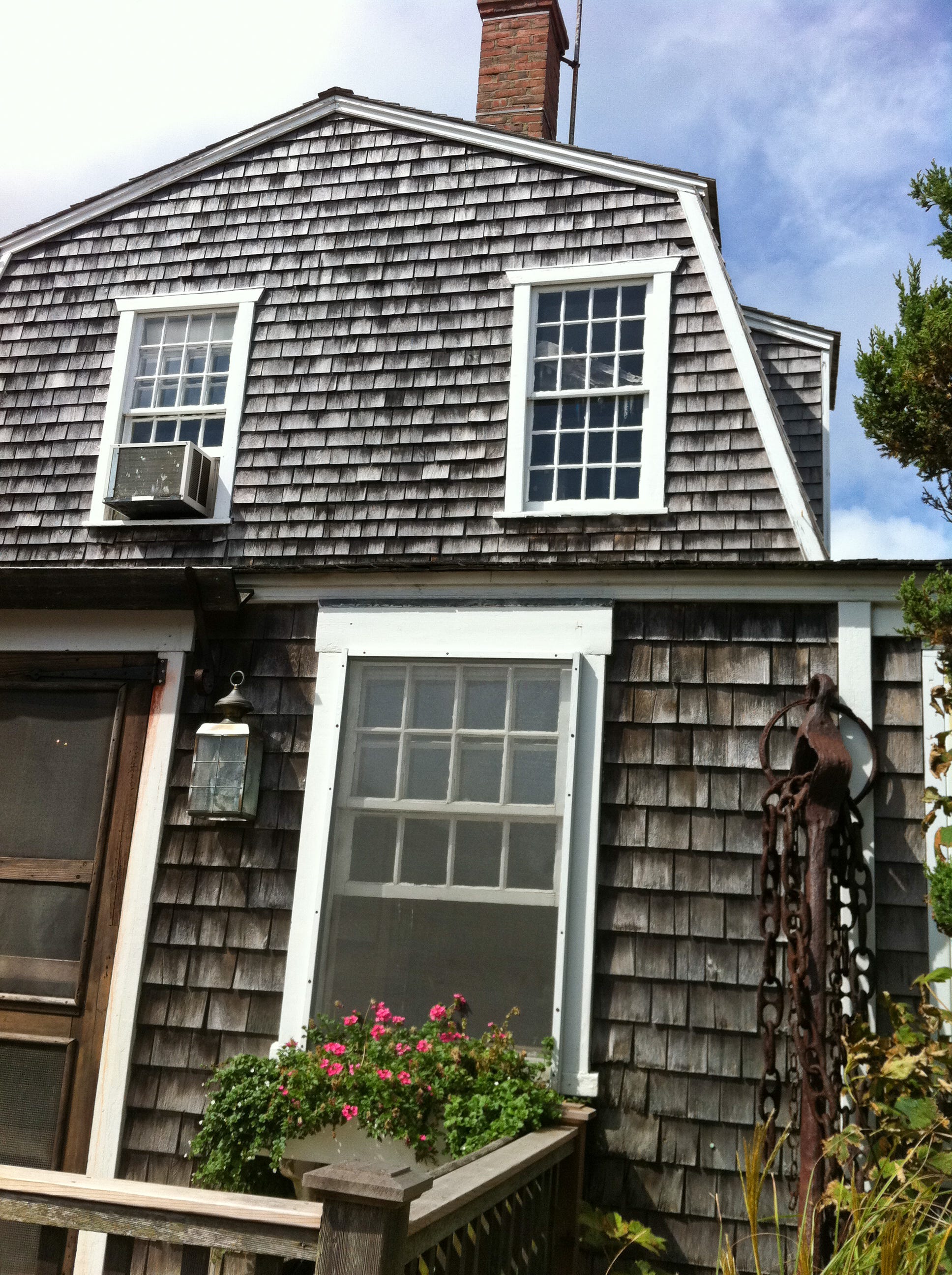
This charming island is the epitome of beautiful architecture, history, charm, quietness, tree-lined streets, locals, antiques and coastal views.
And, there’s the chowder.
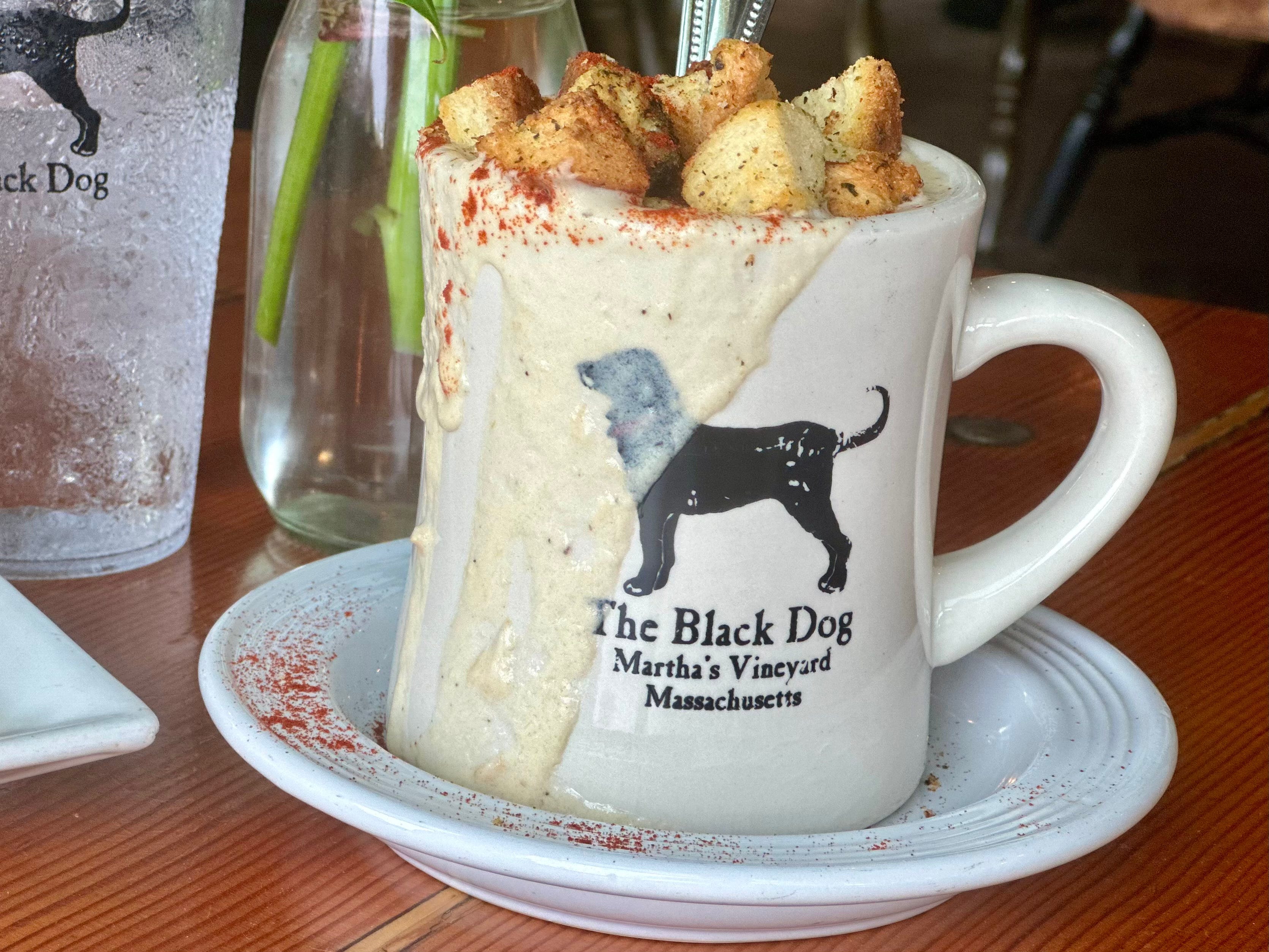
Not just any clam chowder, but a steaming bowl of Quahog Chowder from The Black Dog Tavern in Vineyard Haven— rich with clams and potatoes, smoky salt pork, onion and celery, finished with cream and topped with buttery croutons.
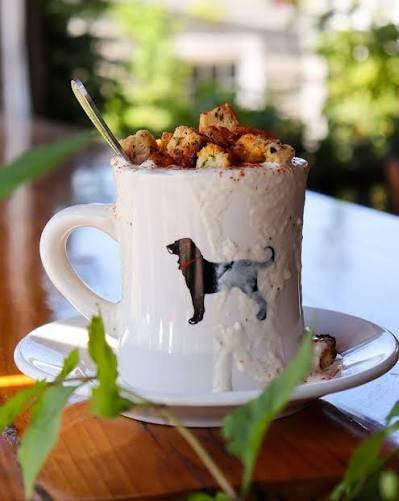
One spoonful and it tasted like New England.
An Island That Makes You Want to Stay Awhile
Martha’s Vineyard has a wonderful ability to feel both glamorous and wonderfully unpolished.
The island has six distinctive towns, from the historic sea-captain houses and white clapboard architecture of Edgartown to the colorful gingerbread cottages of Oak Bluffs, the fishing village of Menemsha and the rural lanes, farm stands and stone walls of West Tisbury.


Vineyard Haven — officially part of the town of Tisbury — has its own particular charm. Its working harbor is the Vineyard’s year-round port, where ferries arrive alongside sailboats, wooden boats and working vessels.
Beyond the waterfront you’ll find galleries, independent shops, restaurants and reminders of the island’s maritime past, including former homes of whaling captains and shipping magnates.
It feels unmistakably New England.
And sitting right on that harbor is one of Martha’s Vineyard’s most recognizable institutions:
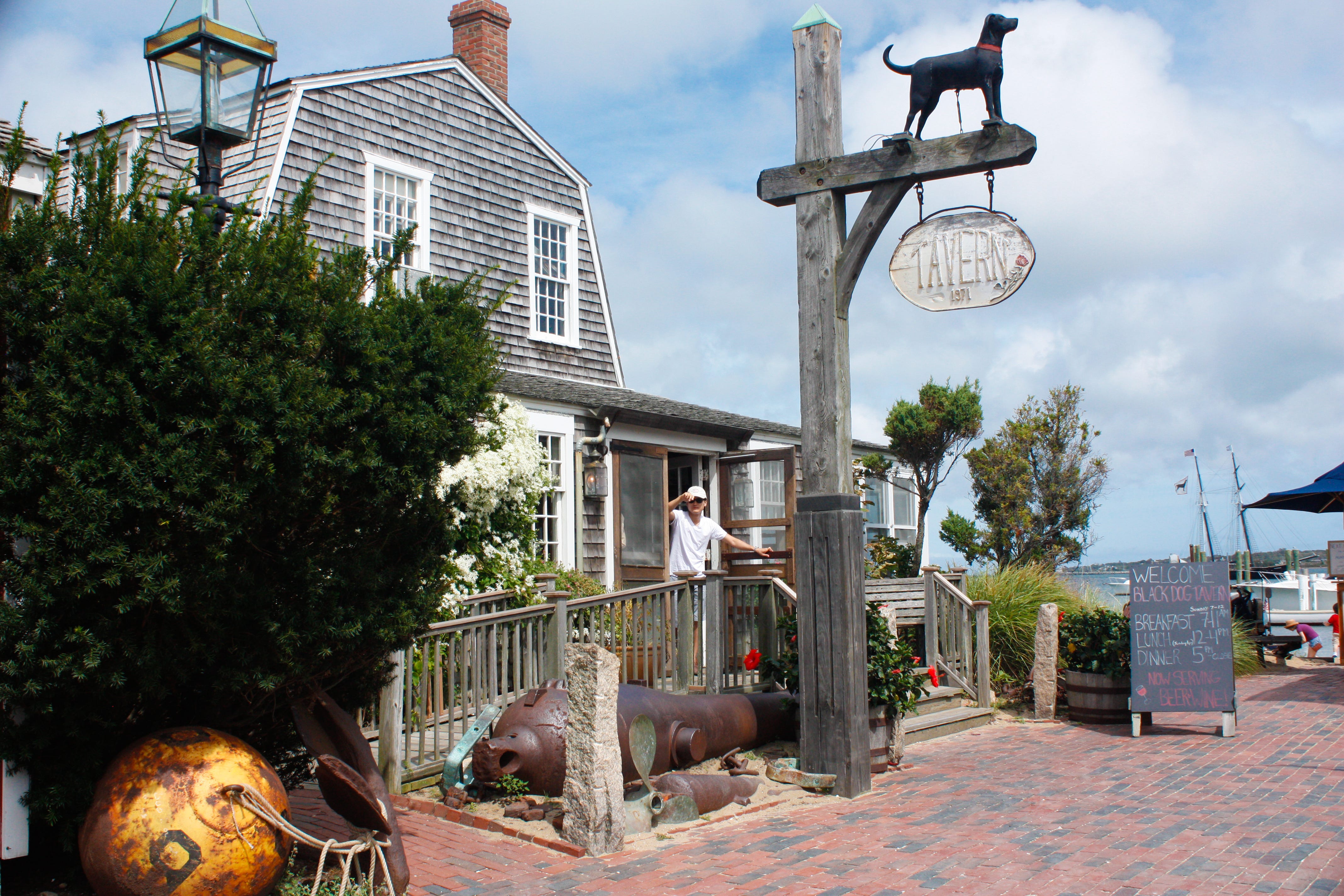
The Black Dog Tavern, Martha’s Vineyard
The Story Behind The Black Dog
Long before the familiar black-dog silhouette appeared on T-shirts across America, there was Captain Robert Douglas, a sailing vessel called Shenandoah and an actual black dog.
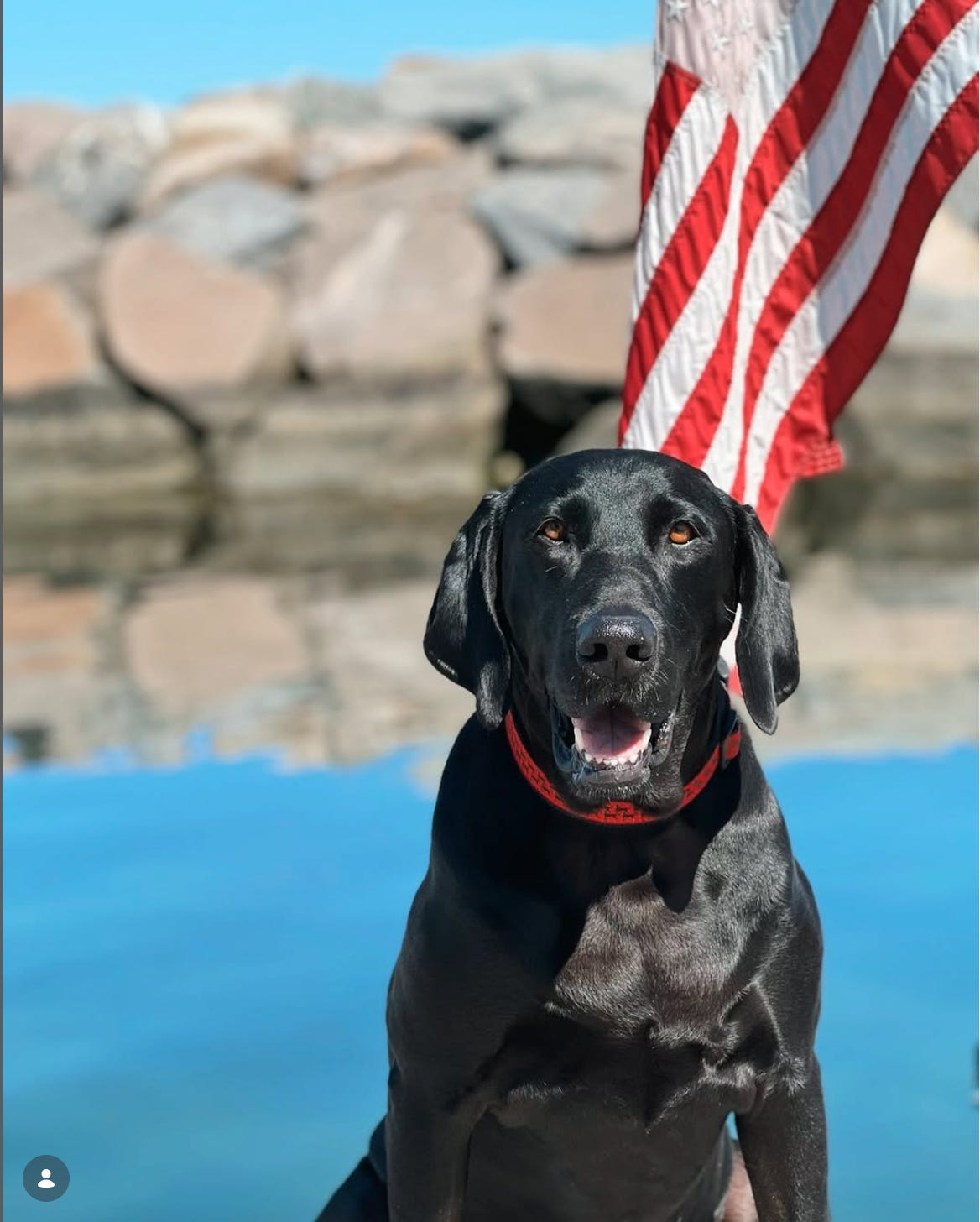
Douglas sailed Shenandoah to Martha’s Vineyard in 1964. A Black Lab–Boxer mix named Black Dog joined him a few years later, and according to The Black Dog’s history, the pair became nearly inseparable.
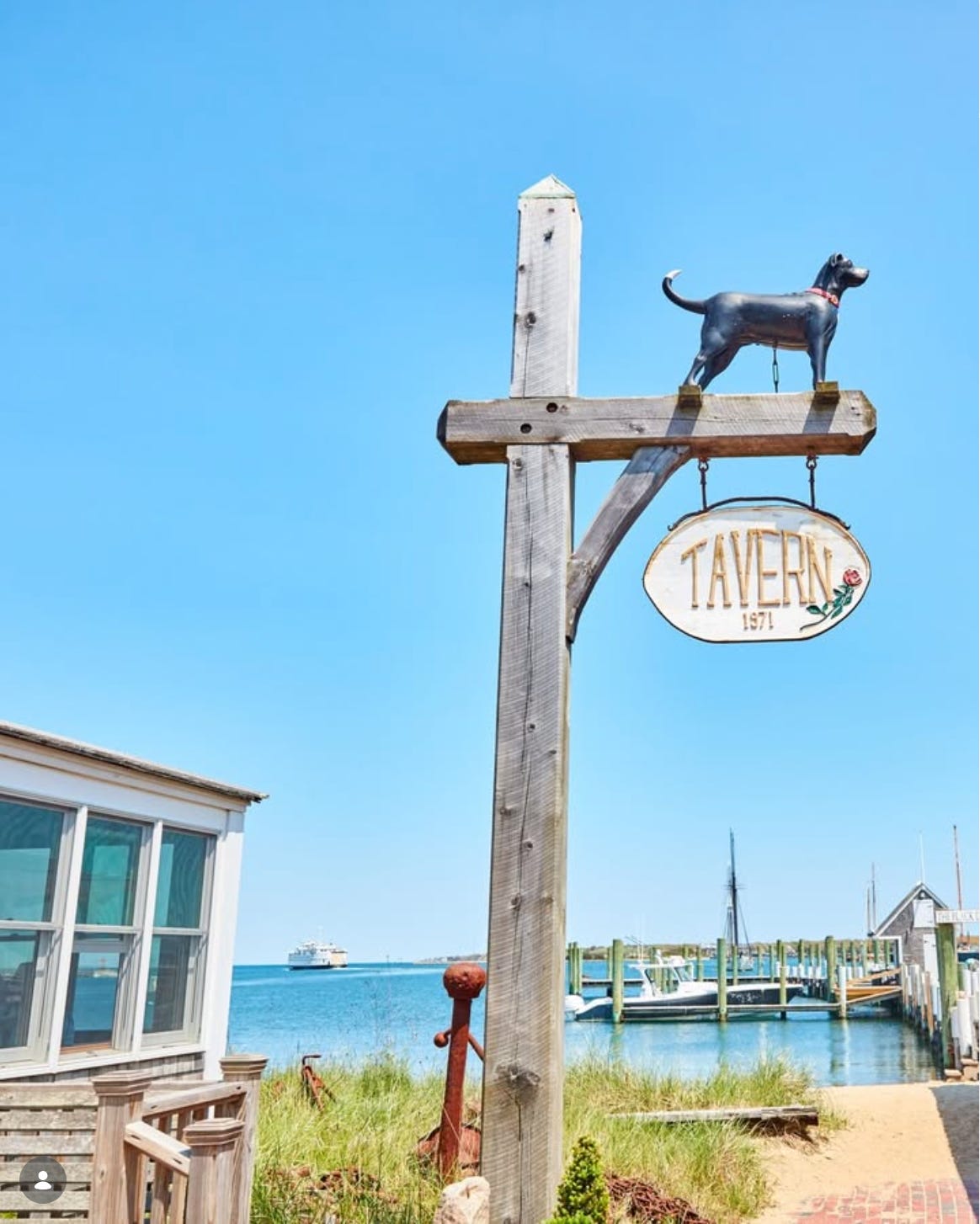
Then, on a cold day in 1969, Douglas found himself faced with a miserable cup of coffee and a packaged doughnut and began imagining something better: a welcoming year-round place where islanders and visitors could sit down together over good food, hot chowder and conversation.
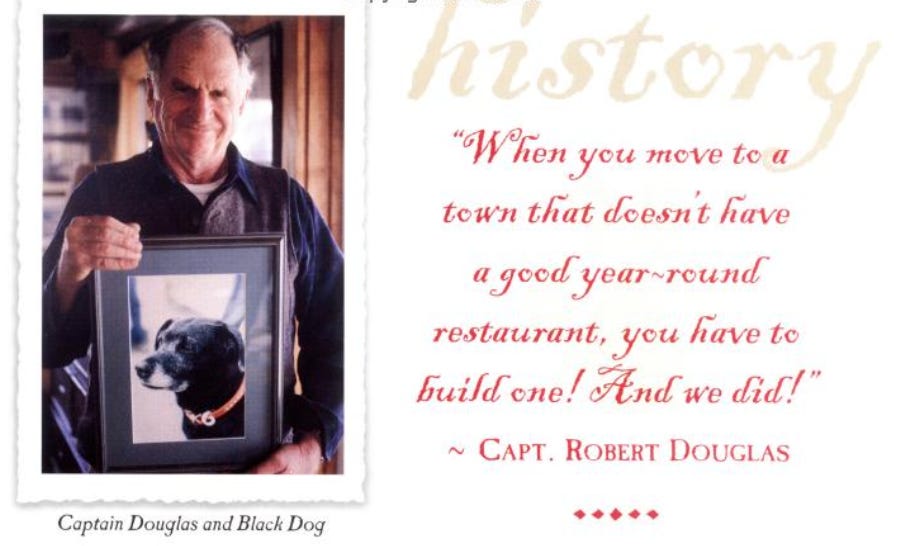
The idea reportedly began as a sketch on a napkin.


In 1971, The Black Dog Tavern opened its doors in Vineyard Haven, and chowder was there from the beginning.
More than half a century later, that little harbor tavern has grown into an iconic New England brand, but there’s still something wonderfully simple about its origin story: a sailor, his dog, the sea and the desire to feed people well.
And that brings us back to the chowder.
First Things First: What Exactly Is a Quahog?
If you didn’t grow up around coastal New England, the word quahog might sound more like a seaside village than something destined for your soup pot.
Pronounced roughly “KO-hog,” a quahog is the Northern hard clam, Mercenaria mercenaria — a thick-shelled bivalve native to the Atlantic coast. NOAA identifies it as the Northern quahog, hard clam, round clam or “chowder clam,” and its natural range extends from Nova Scotia southward along the Atlantic coast.
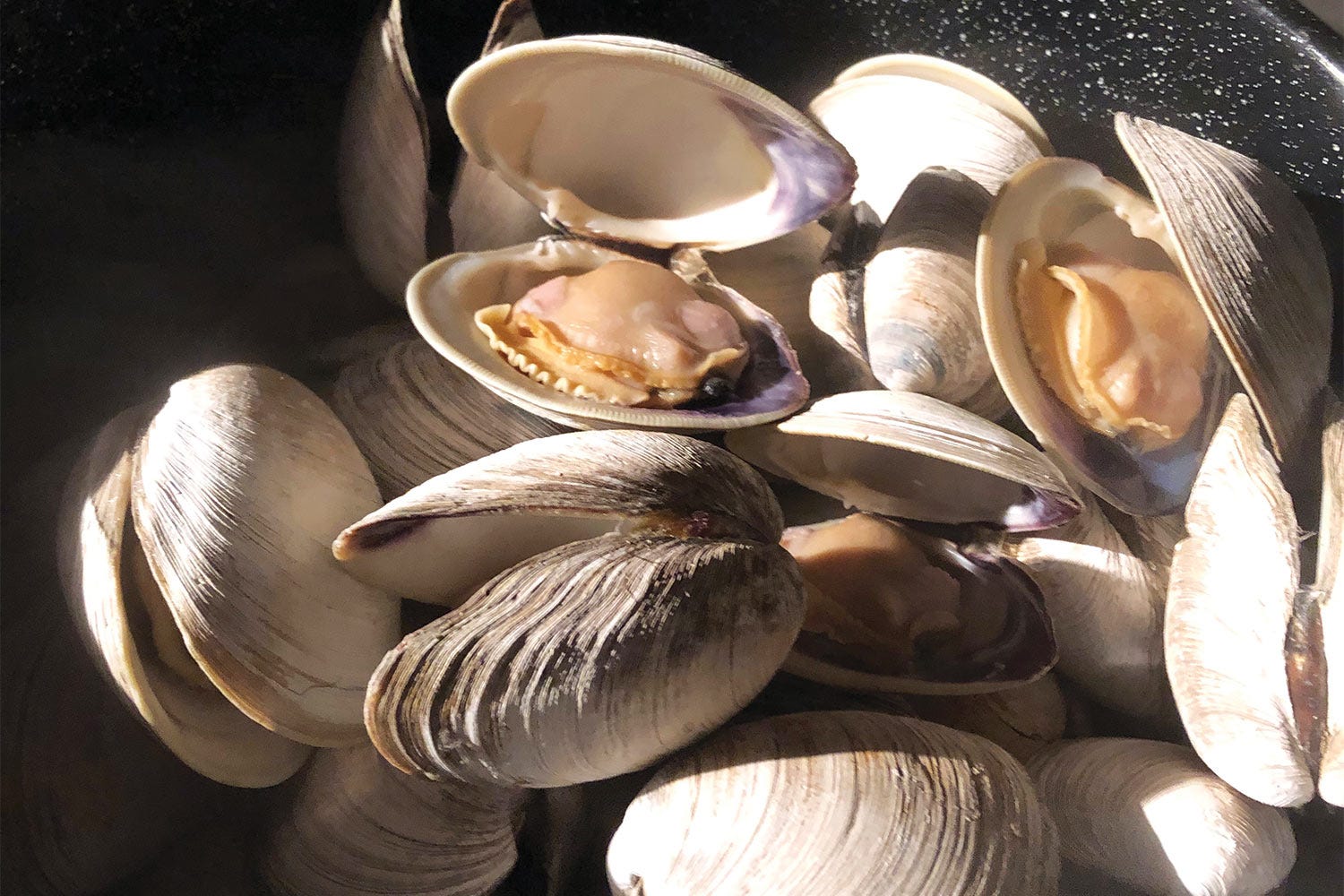
Unlike the thin-shelled soft clams New Englanders often call steamers, quahogs have sturdy shells and firm, flavorful meat.
And size matters.
Smaller hard clams are commonly sold as littlenecks and cherrystones, while the biggest specimens are often simply called quahogs or chowder clams. Their larger, somewhat chewier meat makes them particularly well suited to chopping — exactly what you want for chowder.
They bring an intense, clean ocean brininess to the pot that stands up beautifully to cream, potatoes, herbs and smoky pork.
It’s difficult to imagine a more New England ingredient.
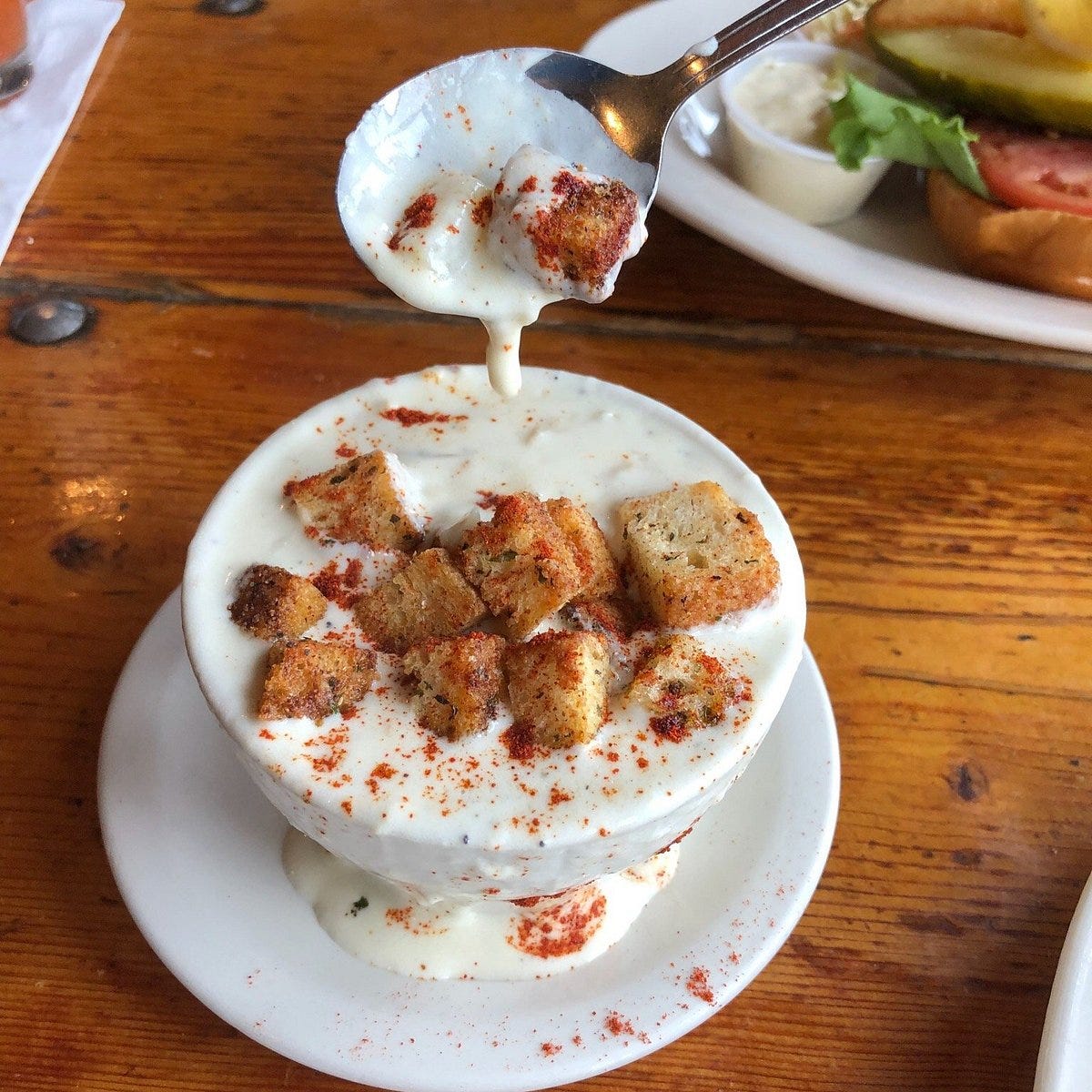
So let’s move on to The Black Dog Tavern’s Quahog Chowder recipe.
